


Lithuania celebrated its independence in Athens with a screening of “The Other Dream Team”
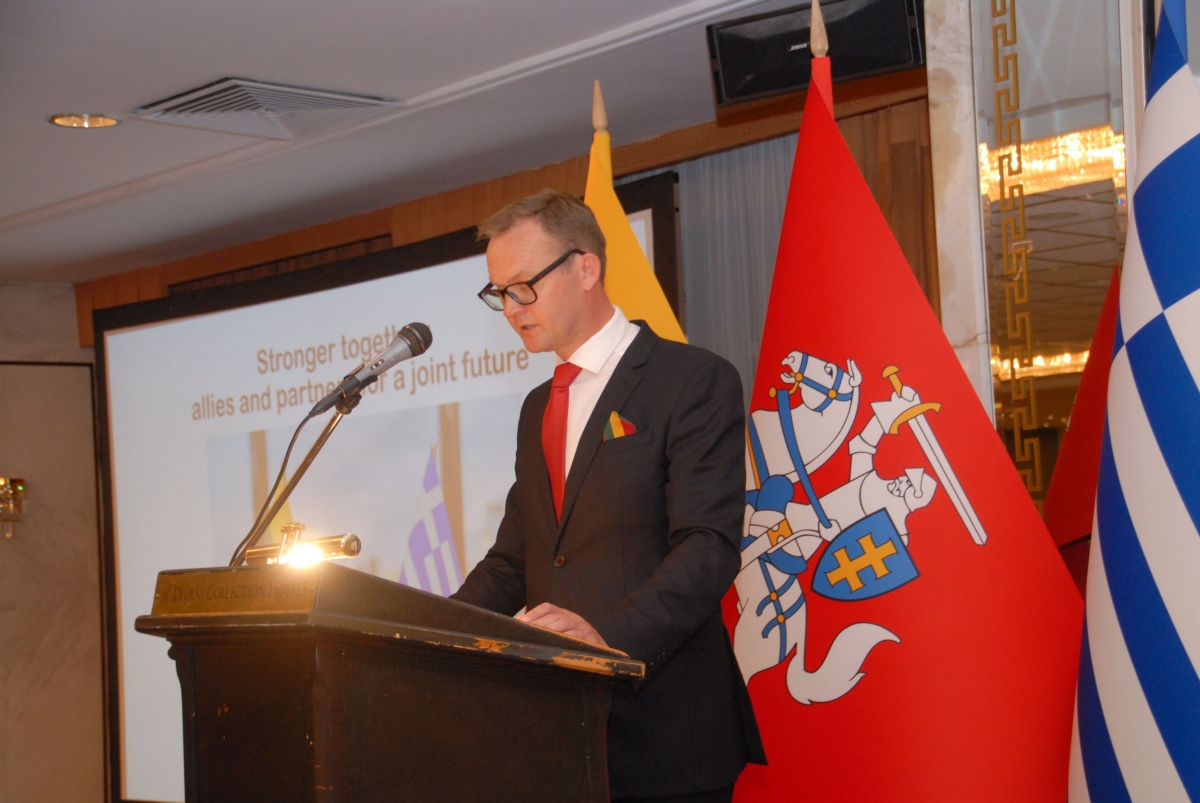
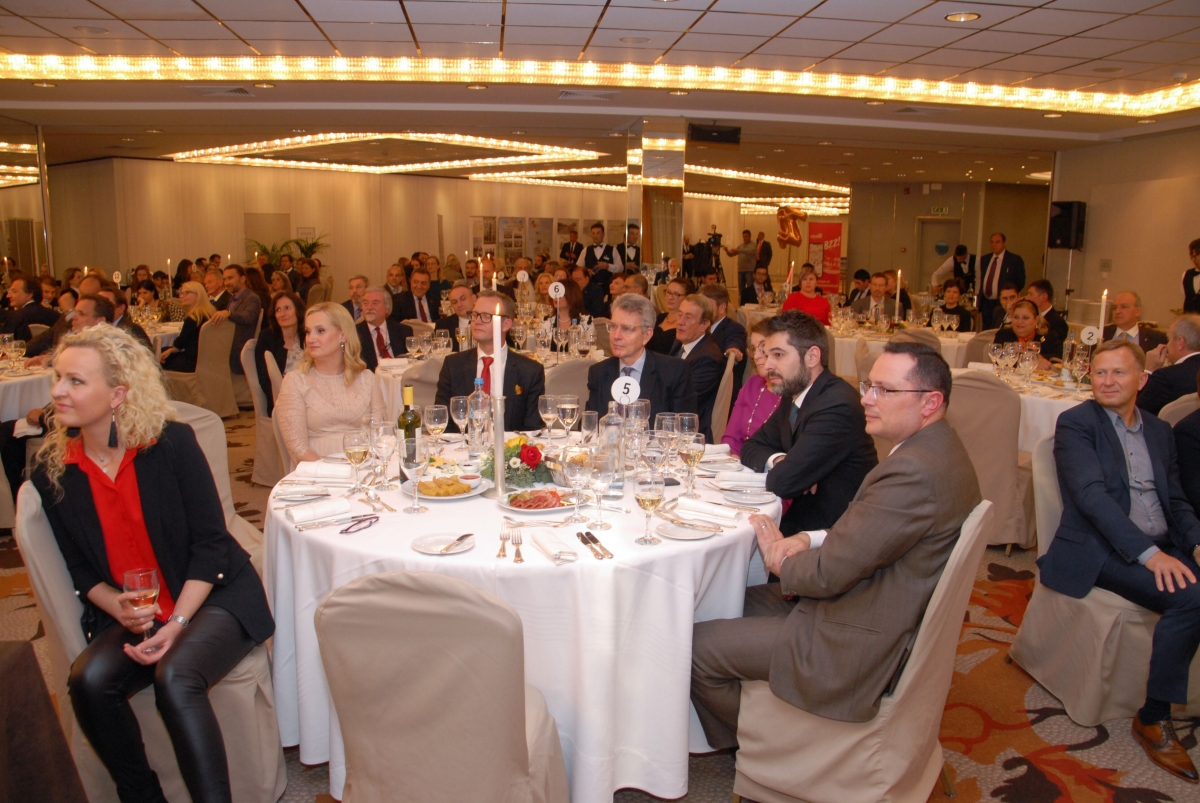
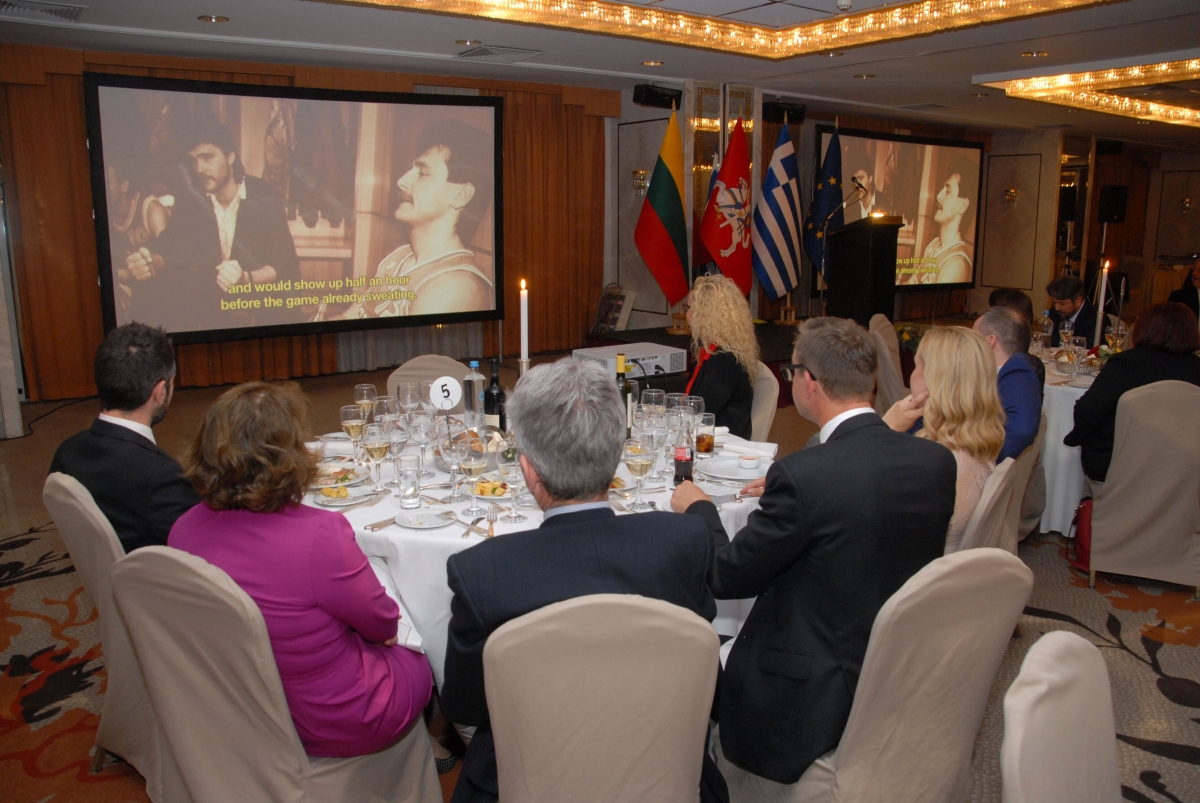
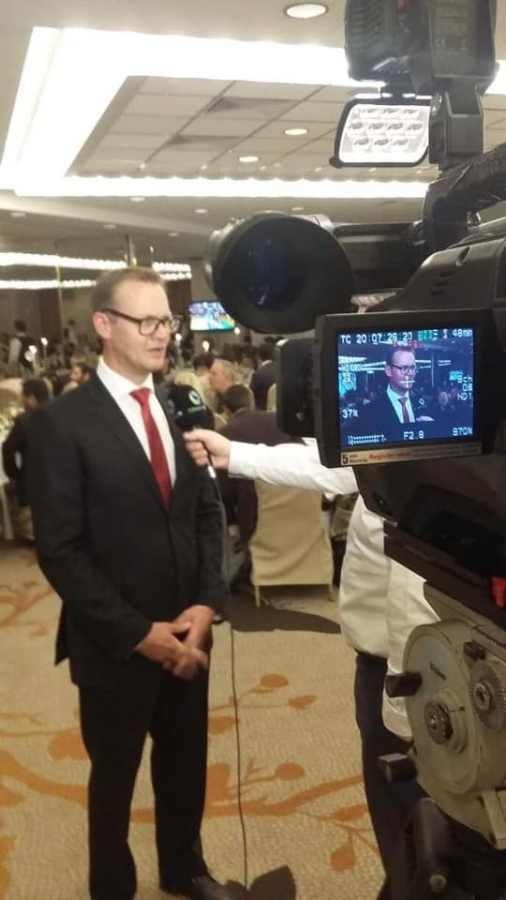
On March 28, the Embassy of the Republic of Lithuania hosted a solemn diplomatic reception to commemorate three important occasions for Lithuania: the restoration of Lithuania's independence, the fifteenth anniversary of Lithuania's membership in the European Union and NATO and the 30th anniversary of the Baltic Way. The reception included a screening of the documentary “The other dream team” , which tells the incredible story of the 1992 Lithuanian basketball team, which included basketball legends like Arvydas Sabonis and Sarunas Marciulionis and ended up being bigger than a sport team for the young Lithuanian state. The film was watched with great interest by over 250 invited guests. Jonas Kazlauskas, the former coach of the Lithuanian and also the Greek national team, was present in the event, AEK’s forward Jonas Maciulis was also there and Zalgiris was represented by GM Paulius Motiejunas.
The banquet also included a photo exhibition related to the political demonstration named “The Baltic way”, when 30 years ago approximately 2.000 000 people joined their hands to form a human chain spanning 675.5 kilometers across the three Baltic states, aiming to draw global attention to their desire for freedom and independence.
In introducing the documentary “The Other Dream Team”, ambassador Rolandas Kačinskas said that “as a diplomat, I have witnessed many times, that nothing unites countries better than people, and nothing connects people better than shared passion. The passion that connects Lithuanians and Greeks is love for basketball. This evening we will tell you a story about how basketball is much more than sport, about how basketball helped Lithuania to maintain its identity, not to give up, to survive the Siberian exile and, finally, to return to the international arena. The Greeks, like no other nation, should relate to the story of how athletes and sports helped not only to keep identity and community bonds, but also a historical memory and hope“


